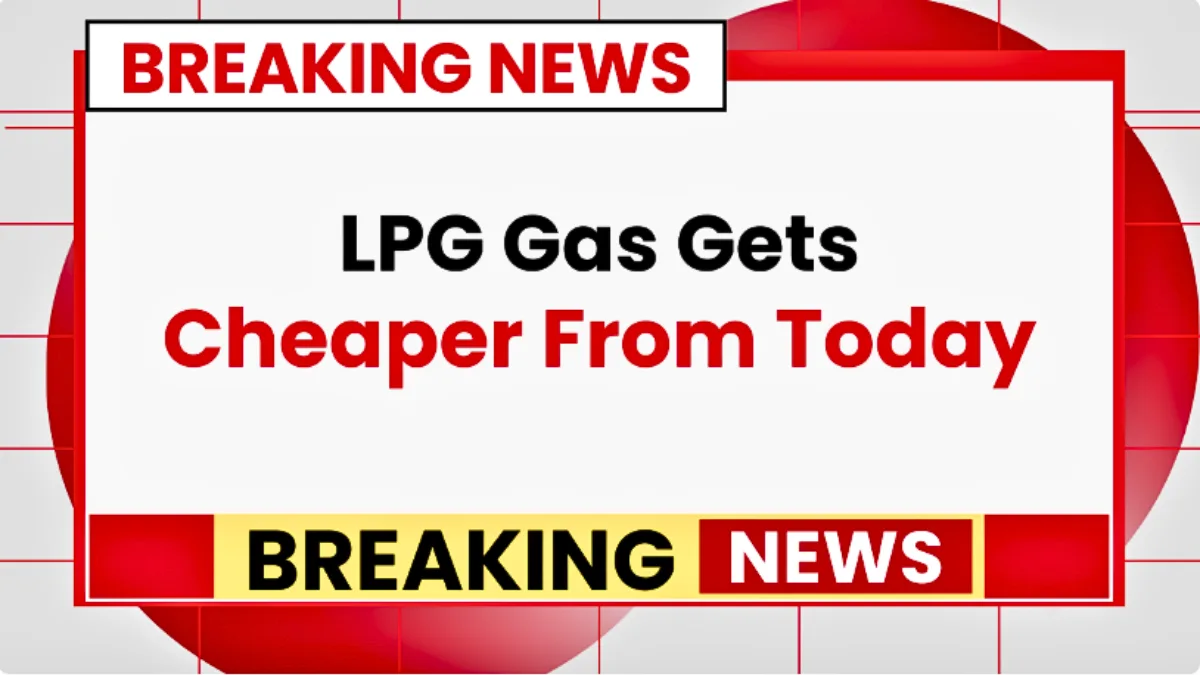
The recent reduction in domestic LPG cylinder prices has come as a welcome relief for millions of households, offering much-needed support at a time when families are grappling with rising living expenses. Liquefied Petroleum Gas (LPG) is an essential cooking fuel for a vast majority of homes, and any change in its price has a direct and immediate impact on household finances. This latest price cut is not only easing financial pressure but also improving affordability and quality of life for families across urban and rural areas.
The Importance of LPG in Everyday Life
LPG plays a central role in daily household activities, particularly cooking. Over the past few decades, it has replaced traditional fuels like firewood, kerosene, and coal in many homes due to its convenience, efficiency, and cleaner burning properties. Government initiatives promoting clean cooking fuel have further increased LPG adoption, making it a cornerstone of modern household energy use.

Because LPG is a necessity rather than a luxury, its cost significantly influences monthly budgets. Even a small reduction in price can make a noticeable difference, especially for middle- and lower-income families who allocate a substantial portion of their earnings to essential expenses.
Immediate Financial Relief for Families
The price cut in domestic LPG cylinders translates into direct savings for households. For families that use one or two cylinders per month, the reduction can free up funds that can be redirected toward other critical needs such as groceries, education, healthcare, or savings.
In many homes, monthly budgets are carefully balanced, with little room for unexpected expenses. Lower LPG prices provide breathing space, allowing families to manage their finances more effectively. This relief is particularly valuable for households already coping with inflation in food, transportation, and utility costs.
Encouraging the Use of Clean Energy
One of the most significant benefits of affordable LPG is its role in promoting clean energy adoption. When LPG prices rise, some households revert to traditional fuels like wood or charcoal, which are cheaper but harmful to health and the environment. Smoke from these fuels contributes to respiratory illnesses and indoor air pollution, disproportionately affecting women and children.

By making LPG more affordable, the price reduction encourages continued use of clean cooking fuel. This supports public health goals, reduces environmental damage, and aligns with broader efforts to promote sustainable energy practices.
Impact on Rural and Low-Income Households
The price cut holds special importance for rural and low-income families. Many households in rural areas have only recently transitioned to LPG through government subsidy programs and clean fuel initiatives. For these families, affordability remains a critical factor in sustaining LPG usage.
Lower cylinder prices help ensure that these households do not revert to traditional fuels due to cost concerns. Continued access to clean cooking fuel improves health outcomes, reduces time spent collecting firewood, and enhances overall quality of life. Women, in particular, benefit from reduced physical labor and improved indoor air quality.
Boost to Household Spending and Local Economies
When families save money on essential expenses like cooking fuel, they are more likely to spend on other goods and services. This increased spending can stimulate local economies, benefiting small businesses and service providers. For example, savings from LPG expenses may be used to purchase better food, school supplies, clothing, or healthcare services.
This ripple effect contributes to economic activity at the grassroots level. In this way, the LPG price reduction not only supports individual households but also fosters broader economic resilience.
Relief Amid Inflationary Pressures
In recent times, rising inflation has placed considerable strain on household budgets. Prices of food items, transportation, and utilities have increased, leaving families with limited disposable income. The reduction in LPG prices provides timely relief, helping offset some of these rising costs.
For many households, this price cut may not eliminate financial stress entirely, but it offers meaningful support. Even modest savings can make a difference when families are managing tight budgets and prioritizing essential needs.
Government Policy and Consumer Welfare
The LPG price reduction reflects efforts to balance market dynamics with consumer welfare. Governments and regulatory bodies often monitor fuel prices closely due to their widespread impact on daily life. By implementing price cuts or subsidies, policymakers aim to protect vulnerable populations and ensure access to essential energy sources.
Such measures also demonstrate a commitment to improving living standards and promoting equitable access to clean fuel. Continued attention to fuel affordability is crucial for sustaining progress in public health, environmental protection, and economic stability.
Environmental Benefits of Sustained LPG Use
Affordable LPG supports environmental sustainability by reducing reliance on biomass fuels like firewood. Deforestation, caused in part by firewood collection, contributes to environmental degradation and loss of biodiversity. Encouraging LPG use helps mitigate these issues by offering a cleaner alternative.
Additionally, LPG burns more efficiently and produces fewer pollutants compared to traditional fuels. Sustained use of LPG contributes to improved air quality, both indoors and outdoors, supporting broader environmental goals.
Long-Term Benefits for Families
Beyond immediate savings, lower LPG prices can have lasting benefits for households. Financial relief enables families to invest in education, nutrition, and healthcare, all of which contribute to long-term well-being. Children in households with stable access to clean cooking fuel are less exposed to indoor pollution, supporting healthier development.
Furthermore, reduced financial stress improves mental well-being for household members, fostering a more secure and stable home environment. Over time, these benefits contribute to stronger communities and improved quality of life.
Public Response and Consumer Sentiment
The announcement of the LPG price reduction has been met with widespread appreciation from consumers. Many households view the move as a positive step toward easing financial burdens. Social discussions and community feedback highlight the significance of fuel affordability in everyday life.
Consumers often express that while price cuts may seem small in absolute terms, they carry substantial value in the context of tight budgets. The psychological reassurance of reduced expenses also plays an important role in improving consumer confidence.
Looking Ahead: The Need for Price Stability
While the current price reduction is a welcome development, long-term price stability remains a key concern for households. Frequent fluctuations in LPG prices can make financial planning difficult, particularly for families with limited income. Stable and predictable pricing enables better budgeting and sustained use of clean cooking fuel.
Policymakers and energy providers may continue exploring strategies to balance market realities with consumer needs. Measures such as targeted subsidies, efficient supply chains, and transparent pricing mechanisms can help ensure that LPG remains affordable and accessible.
Conclusion
The reduction in domestic LPG cylinder prices represents a significant step toward easing the financial burden on households and promoting cleaner, healthier living environments. By lowering the cost of an essential commodity, the move provides immediate relief, encourages clean energy adoption, and supports broader economic and environmental goals.
For families striving to manage rising living costs, the price cut offers more than just monetary savings — it brings reassurance, stability, and improved quality of life. As households benefit from this relief, the positive effects ripple outward, strengthening communities and contributing to a more sustainable future.